What are the key Lean Startup Principles?
 What are the key Lean Startup Principles?
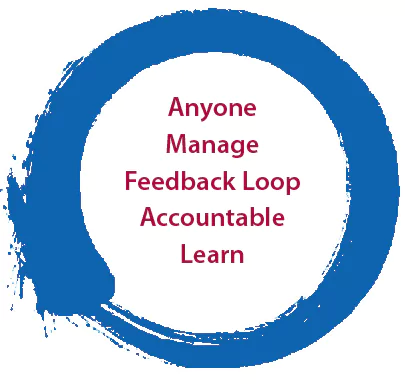
The Lean Startup principles are the key to understanding and implementing this approach. They highlight the difference between traditional management which aims to get things done and innovation management which aims to create new things.
1 Entrepreneurs are everywhere
Startups don’t just happen in garages. Anyone creating a new product or service is effectively a startup. And, this includes people working within large organisations.
2 Entrepreneur = manager
Normally we view entrepreneurs and managers as two different species operating in vastly different worlds. However, a startup is not just about the product. It’s ultimately an organisation that needs management to make it happen. And, whilst the world of big business has proven methods for big organisations we do need to adopt some new principles for managing innovation and startups.
3 Validate Learning
Whilst we might set out to make something original, create a new revenue stream or serve our customers in different ways, the number one goal of a startup is to learn how to build a sustainable business. And, this learning can be validated by running regular experiments to test your assumptions and find out what works with actual customers. The key is to learn what people value enough to pay for.
4 Build-Measure-Learn
The basic activity of a startup involves three things: build your product, measure the customer’s response and learn whether to keep going or change direction. Thus, the true game is to accelerate this feedback loop. The faster you can learn what the market values the more likely you can build a sustainable business.
5 Innovation Accounting
Innovation is not a free-for-all. We need to be held to account for our actions. We need to measure progress, establish milestones and prioritise the important tasks. We need a new way of accounting designed for startups.
More on Lean Startup Principles
This is an extract from the Book Rapper issue Pioneer: How to Create and Manage Innovation. It’s derived from Eric Ries’ classic book The Lean Startup: How Today’s Entrepreneurs Use Continuous Innovation to Create Radically Successful Businesses.
Previously
- The Lean StartUp Review
- The Lean Startup Slideshow
- Minimum Viable Product
- Why Startups Fail
- Eight Innovation Sandbox Rules