Most innovation programs only focus on one side of the problem – the generation of ideas. But unless you also provide and develop champions and sponsors of ideas, the level of innovation results will be minimal.
In James Surowiecki’s best-selling book, The wisdom of crowds he shares a number of examples of double-sided innovation. (We summarized his book as Wise over at Book Rapper)
The Diversity of Motor Cars
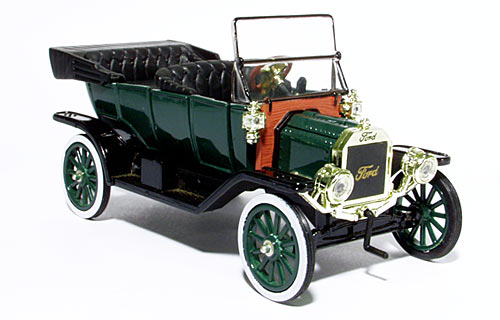
At the turn of the 20th Century, there were more than 500 car manufacturers putting out a wide range of solutions. These included steam-driven cars, electric powered cars and cars running on gasoline combustion engines.
Whilst the auto market totalled a mere 15,000 cars in 1900, the expectation of what was possible if the car could be mass-produced at an affordable price sparked a significant interest.
The diverse approaches were clearly driven by the size of the potential reward for success.
And, the diversity of approaches was built on the premise that a clear definition of what a car should be like hadn’t been worked out as yet. It displays how experimentation and exploring of alternatives is a crucial part of the development of any idea – and especially a complex machine like a motor car.
It’s an interesting shift from a wide range of choices to a monoculture of ‘this is how you build a car’.
Further, this historical situation shines a peculiar light on the current transformation of the motor car away from gasoline/petrol to new electrically charged and battery dependent models. Our notions of ‘what is a car’ are under question once more.
It’s clear in this early battle that the combustion engine won, reigning supreme for over a century. Now, the impact of millions of cars worldwide has been called into question in the light of pollution, city-wide smog and ultimately climate change.
More Double-Sided Innovation Examples