 Success can be an elusive thing. And, there’s been a lot written about what you need to do to achieve it. Regardless of whom you listen to about what it takes to be successful there is one underlying feature and consistent factor: you need to repeat your actions over time.
And, one of the keys is to build winning habits so we can automate our chances for being successful.
Our Topic
Today is one of our Book Rapper recordings where we take an important business book and rewrite it so you can absorb the big ideas in around 30 minutes. And, today we share an audio version of one of those books.
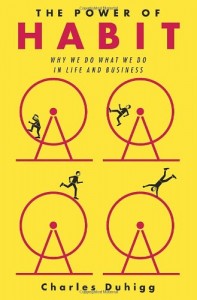
The book we are exploring today is Charles Duhigg’s The Power of Habit: Why we do what we do AND how to change.
In this Podcast Episode
 Find out how much of your decisions are really reflex action; ie habits.
- Why your brain takes shortcuts and how you can take advantage of this.
- The three essential parts to every habit
- How to kill a craving – or create one!
- The secret to changing habits
- The keystone habit that allows you to lose weight and the one that Michael Phelps used to win all of his gold medals. Plus, the single most important keystone habit you can create to be successful.
- How to build a culture of habits
- How Target knows you’re pregnant before you do
- How Rosa Parks sat on a bus and created a turning point in the civil rights movement
Show Links
Listen, Download, Share
Podcast: Play in new window | Download | Embed
Subscribe: RSS