How do you design a cover for a book?
I’ve confronted this challenge a number of times with my dozen books.
The obvious thought and the default for many books (you only have to look at your own library of books) is to simply put the title in big bold letters on the cover, add a sprinkle of colour and press ‘publish’.
Yes, that can work, but it’s a bit on the boring side. It hardly gives you any chance of standing out in a memorably way in a crowded market and to be honest, it’s a bit lazy and misses a great opportunity.
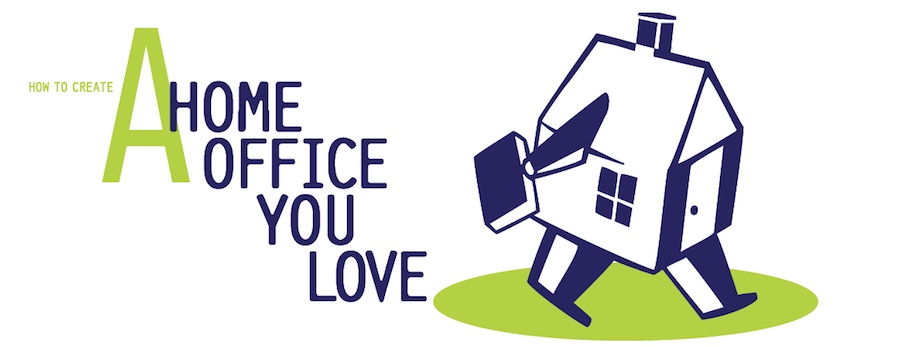
The Book Cover for A Home Office You Love
For me, I want the covers of my books to capture the theme, topic or central idea of the book in a visual image.
In my first book, A Home Office You Love, I hired good friend Jonathan Hannon to design the cover. He cleverly morphed two icons together into a new form – a house with a man walking with a briefcase. It’s a unique and iconic image.
Book Cover Expert Chip Kidd
Further, on this same theme of making evocative book covers, this TED video presentation by Chip Kidd at TED is inspiring. Chip is one of the world’s top book designers with Knopf Doubleday and clearly a character. [update 2021: he now works with Penguin] His talk is fun, his passion exhilarating and his designs are to be drooled over.
A couple of crucial things to look out for here…
- The fundamental question to ask when designing your book cover is: What does your story look like? (2:00) That’s what a cover does – it’s aiming to have the reader visualise what the book is about.
- Chip Kidd delivers a simple and powerful design lesson from his first day of study: Use words or pictures, not both. This applies to book covers and to keynote presenters and their slides. Either say it or show, but not both. (2:53)
- I love the design examples that are shared in this video. They are stunning! They make me laugh, smile and intrigue me about what’s inside the book.
- His comparison and comment of books and ebooks are worth noting. What are we gaining, what are we losing here?
Now, for your thoughts… What do you look for in a great book cover? And how persuasive is it in your decision to buy or read the book?