What is a Speakers Business Model?
A speakers business model is a way of operating a business for a professional speaker.
Every business has a business model. It’s how you run your business. Popular examples include a retail store or an online store. They’re both stores but they run their business differently – they operate with a different model for business.
The Big Issue facing the Professional Speaking Industry
What’s the single biggest issue facing the Professional Speaking industry? I think it is choosing the right business model. And, the driver of this challenge is the same digital technology that is disrupting almost every industry.
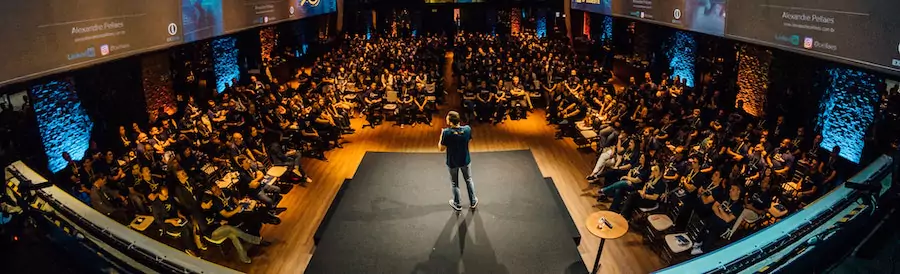
Traditionally, speakers stood in front of live audiences and strutted their stuff. While that is still a viable career path, my research suggests it needs to be complemented by other activities. Plus, there is a huge opportunity to present your message in new ways via digital technology that further challenges the traditional modes of working.
For example, a professional speaker can now run an online seminar or webinar via technology like Zoom. This technology has been around for at least a decade but due to the pandemic is becoming a more ‘normal’ way to present. Another model is to produce prerecorded video presentations that may be published on YouTube (like I have adopted here) or on a website. These are two new business models that are now available to professional speakers that were not viable choices only a decade ago.
The big question is what’s the right business model for your speaking model?
In this 84th episode of the Ideas Architect Podcast, I share the presentation I made to National Speakers in Melbourne (soon to be called the Professional Speakers Australia). It’s a live recording. I share my thoughts on a range of possible speakers business models.
Show Links
Listen, Download, Share
Podcast: Play in new window | Download | Embed
Subscribe: RSS