Attract the Interested
This is the second in a series of 14 marketing trends adapted form Seth Godin’s book Meatball Sundae. The first marketing trend was: What’s the Big Idea.
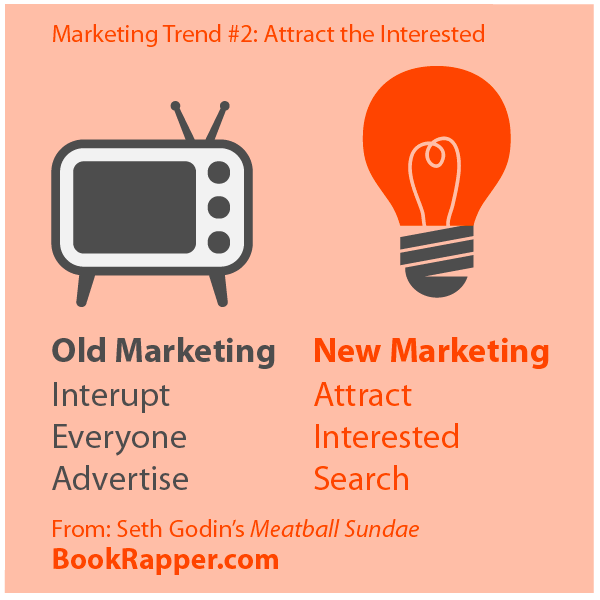
The Old Marketing, was like panning for gold. The more silt you put in your pan the more likely you were to strike gold. ie, advertise more, interupt more and the weight of numbers will reward you with sales.
Today, this doesn’t work. People can no longer be reached by mass marketing alone – the TV audience is down 40% on a decade ago, and even if they are watching they’re likely to ignore your message. Gen Y watch less TV than we did.
The New Marketing works like a light bulb to insects. Light it up and they come. You just need to illuminate your offer and those who are interested will see it.
Consider Google Adwords, a customer types in what they’re looking for in a couple of keywords. Less than a hundred customers a day might click on your link and yet, each one has done so through their own interest.
Your customers now select themselves. They decide what they’ll spend their attention on. They know what does – and does not attract them.
The big shift is from marketing to everyone to attracting those who are interested.
[Tweet “Old marketing: Interupt everyone New: Attract the interested #marketingtrends”]
Source
This is from the Book Rapper issue Marketing How-Now that is derived from Seth Godin’s brilliant book Meatball Sundae.