This is our sixth in a series of posts from the Book Rapper issue Authentic. It’s derived from Rob Goffee and Gareth Jones’ book Why Should Anyone Be Led By You that discusses what it takes to be an authentic leader. Previously in this series: The Three Leadership Situations
Conform Enough
Being a leader implies creating sufficient change to fulfil the goals of the organisation. This requires conforming enough to have the buy-in with your followers and being separate enough to hold them to account over their performance. Here we look at four cultures underpinning the levels of conformity in your organisation.
The Two Key Cultural Relationships
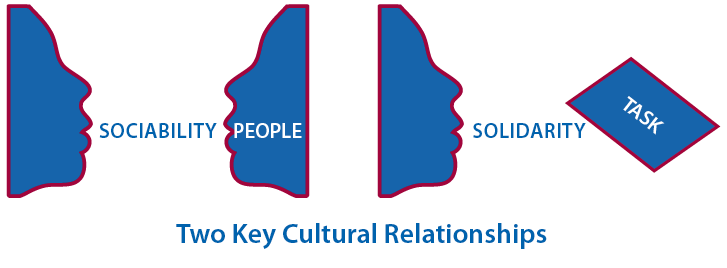
- Sociability: Describes relations between people who are likely to see each other as friends. Where members like each other they’re more likely to share ideas and see each other as equals.
- Solidarity: Describes task-focussed cooperation between individuals and groups. It’s not dependent on friendship or personal acquaintances, nor is it continuous. It requires a perception of shared interest – where one pulls together when times get tough.
[Tweet “Two types of key cultural relationships #highperformingteams”]
Four Cultural Relationship Types
- Networked: When sociability is high and task focus is low, the work environment becomes a friendly environment filled with cliques and gossip. There’s a lot of talk and very little action.
- Fragmented: When individual there is not enough sociability and the focus is totally on the task (eg outsourced and home-based work) this can lead to high autonomy and individual freedom at the cost of individuals pursuing their own agenda.
- Mercenary: When task focus dominates sociability then a high sense of internal competition means low emotional engagement and you risk losing your key players.
- Communal: This is the ideal – high sociability and high solidarity and the likely result if a high performing and innovative team. Team members will work together and have passion for the cause. The thing to watch is if the values are taken to far or the team becomes overly confident.
[Tweet “Four types of cultural relationships #leadingteams”]
QUESTION: Which of the four cultural relationships types best describe your work situation?