Derived from both…
Adam L Penenberg, Viral Loop and Andy Sernovitz, Word of Mouth Marketing
Before The Product
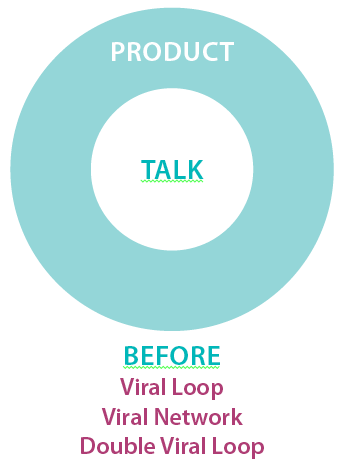 Referrals aren’t just for people sharing with each other. Your product can be designed to be self-promoting as they are used.
Some products have this built in without the need to think about it. For instance:
? Driving your new car around the streets automatically displays it to other drivers.
? Using a leaf blower makes enough noise to alert your neighbours to the fact that you have one.
? And, have you ever asked, ‘What’s that perfume you’re wearing?’
Seth Godin suggests we create a Purple Cow, a product so remarkable we’ll naturally want to talk about it. This is one strategy for creating talk into the design of your product.
Hotmail created a spreadable product by adding a signature to their emails. Every time someone used the product they promoted it to who ever received it. This acted as a personal endorsement and a referral. ‘If it’s good enough for Michelle, then I’ll give it a go too!
The key is to identify all the touchpoints of your product. You’re looking for:
? Any transactions that take place. For instance, receiving email or drivers sharing the road with other users.
? Any trails left behind when you have completed the transaction. For example, a trainer leaving behind course materials or even a business card at the end of a presentation.
Action : Explore ways to design your message into your product so that every time it is used, others see it and spread the word.